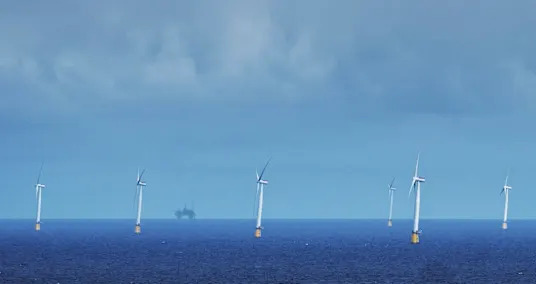
The deepening energy crisis triggered by the US-Israel war with Iran has thrust energy security back onto the political stage in European countries — and widened fault lines along with it.
In the UK — which is particularly vulnerable because of its imports of gas, and which suffered hefty price rises following Russia’s 2022 invasion of Ukraine — attention this time has shifted from diversifying supply away from single countries to a broader push to move beyond fossil fuels, said Annabel Rice, a senior political adviser at the Green Alliance, a London-based think tank. Or at least, that’s the takeaway the governing Labour Party seems to have settled on, casting renewables as more insulated to oil price shocks.
France is similarly leaning towards reducing reliance on hydrocarbons. The country’s prime minister has tasked his cabinet with identifying priority actions to electrify the economy. Others in Europe, such as Italy, have so far opted to double down on fossil fuels to cushion the blow from surging electricity bills. The UK’s opposition Conservative Party is pitching a similar idea, launching a “Get Britain Drilling” campaign this week, pressing to reverse the country’s ban on North Sea oil and gas licenses and claiming it would cut bills significantly.

LATEST POSTS
- 1
 What did the gov’t approve for Israel’s 2026 state budget?
 - 2Manual for 10 Scrumptious Specialty Mixed drinks
- 3Iran warns its ready to open new front in Yemen, close Bab al-Mandab Strait with Houthis
- 4Attacks on Iran's Bushehr nuclear plant and on Iraq border crossing
- 5Figure out How to Put resources into Lab Precious stones



- Like many holiday traditions, lighting candles and fireplaces is best done in moderation
- Humpback whale freed by rescuers in Baltic Sea has become stranded again
- Embrace the Outside: Exercises and Entertainment
- Find the Mysteries of Effective Objective Setting: Transforming Dreams into Feasible Targets
- Zelensky sees win for Ukraine as EU finally reaches funding deal
- Brazil Passes Law to Use Seized Bitcoin, Crypto to Fund Public Security Measures
- Palestinians forced from West Bank refugee camps left in limbo as Israeli demolitions go on
- Would you ever turn to AI for companionship? 6% of Americans say they could — or already have.
- Extravagance SUVs for Seniors: Solace, Innovation, and Security